


Dhanya Foams excels in supplying high-quality memory foam, renowned for its unique ability to conform to pressure and temperature, providing exceptional comfort and support across diverse applications. Our strength lies in offering memory foam with consistent density and viscoelastic properties, ensuring reliable performance in mattresses, pillows, seating, and various comfort-related products. Dhanya Foams provides a dependable supply of this pressure-relieving material, contributing to enhanced comfort and ergonomic support in numerous applications.
What is Memory Foam?
Memory Foam, also known as Viscoelastic Polyurethane Foam, is a technologically advanced material engineered to respond to body heat, weight, and pressure. Originally developed for NASA, Memory Foam has now become the preferred choice in bedding, furniture, automotive seating, packaging, and medical comfort solutions due to its exceptional adaptability and comfort properties.
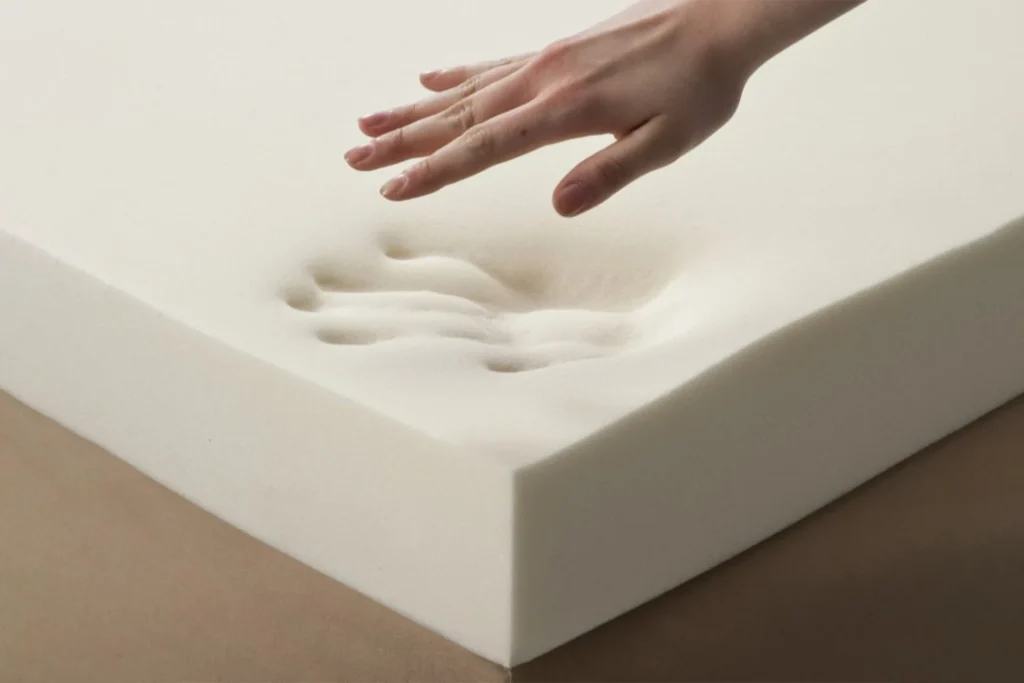
Unlike traditional foams, Memory Foam slowly molds to the user’s body shape and returns to its original form once pressure is removed, providing personalized support for every individual.
Benefits of Using Memory Foam
Enhanced Comfort & Pressure Relief
Memory Foam alleviates pressure on joints, spine, neck, and hips by evenly distributing body weight. This makes it highly beneficial for individuals experiencing body pain, stiffness, or discomfort.
Motion Isolation
One of the biggest advantages of Memory Foam is its ability to reduce motion transfer. This is especially important in mattresses, ensuring a disturbance-free sleep even when someone moves beside you.
Temperature Sensitivity
High-quality Memory Foam responds to body temperature, providing a balanced sleeping or seating surface. This ensures soft comfort in cool weather and firm support in warm temperatures.
Hypoallergenic & Safe
Memory Foam naturally resists dust mites, bacteria, allergens, and mold, making it a healthy option for people with allergies and sensitive skin.
Long-Lasting Durability
Due to its dense structure, Memory Foam has a longer lifespan compared to regular PU foams and retains its shape even after years of use.
Where Memory Foam Is Used
- Mattresses & Mattress Toppers Offers superior contouring and premium sleep comfort.
- Pillows: Neck, Cervical & Orthopedic Aligns the neck and spine for better posture.
- Office & Car Seat Cushions Provides ergonomic seating, reduces fatigue, and improves comfort during long hours.
- Recliners & Luxury Furniture Adds a premium soft-touch feel ideal for high-end seating products.
- Medical & Orthopedic Supports Used in hospital beds, wheelchair cushions, lumbar rolls, and rehabilitation products.
- Travel Accessories Neck pillows, lumbar cushions, travel beds, and comfort pads.
- Pet Beds Offers soothing comfort for pets, especially older or joint-pain-prone animals.
Frequently Asked Questions
Memory foam is a viscoelastic polyurethane foam that softens with body heat and pressure, contouring to your shape for personalized support. It slowly returns to its original form once pressure is removed, reducing pressure points in mattresses, pillows, and medical devices.
Yes. Its pressure-relieving properties align the spine and reduce joint stress, making it ideal for mattresses, orthopedic cushions, and wheelchair seats.
Traditional memory foam can retain heat, but gel-infused or open-cell memory foam improves airflow, keeping sleepers cool. Look for “cooling” labels for temperature regulation.
High-density memory foam lasts 5–10 years with proper care. Lower-density foams may sag or degrade faster (3–5 years).
- Healthcare: Wheelchair cushions, hospital beds.
- Furniture: Mattresses, sofa cushions.
- Automotive: Ergonomic car seats.
- Sports: Protective gear, shoe insoles.
Yes. It’s die-cut or molded into custom shapes (e.g., contoured pillows, prosthetic liners)
- Pressure Relief: Memory foam contours better.
- Durability: Latex lasts longer (10–15 years).
- Eco-Friendliness: Natural latex is more sustainable.
- Low (40-45Kg/mm3): Soft, budget-friendly.
- Medium (45-55 Kg/mm3): Balanced support and durability.
- High (55+ Kg/mm3): Firm, long-lasting (ideal for heavier individuals).
Hypoallergenic memory foam resists dust mites and mold, but opt for CertiPUR-US certified foam to minimize allergy risks.
Yes. Recycled foam is used in carpet underlays, insulation, or gym flooring. Some brands offer take-back programs.