


Dhanya Foams demonstrates strength in manufacturing lightweight foams specifically engineered for NVH (Noise, Vibration, and Harshness) applications within the automotive industry. we excel at producing foams that effectively dampen unwanted sounds and vibrations without adding significant weight to the vehicle. By carefully controlling the foam’s density and cell structure, Dhanya Foams ensures optimal NVH performance while contributing to fuel efficiency. Our lightweight foams meet stringent automotive standards for durability and acoustic performance, providing effective solutions for a quieter and more comfortable driving experience.
Light Weight Foam for NVH (Noise, Vibration & Harshness)
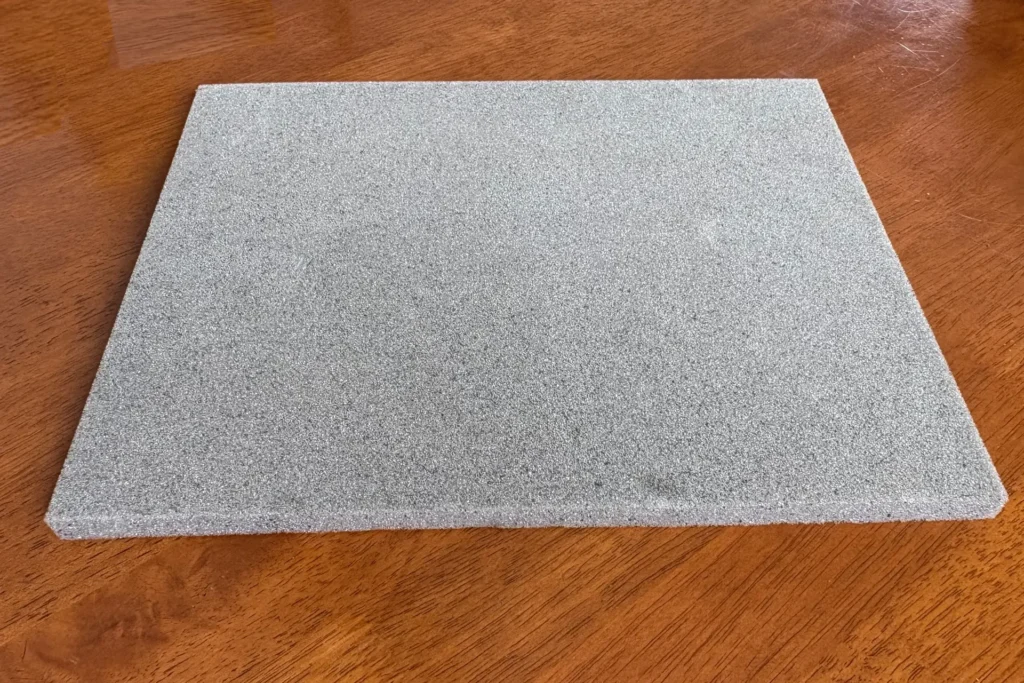
Light Weight Foam for NVH (Noise, Vibration, and Harshness) is an advanced material used to enhance acoustic comfort and reduce unwanted vibrations across automotive, industrial, and consumer product sectors. Designed to deliver exceptional damping performance without adding excess weight, these specialized polyurethane foams help manufacturers meet modern engineering standards for safety, comfort, and efficiency. Lightweight NVH foams combine excellent sound absorption, vibration control, and thermal stability, making them one of the most preferred materials for next-generation designs.
What Is Light Weight NVH Foam?
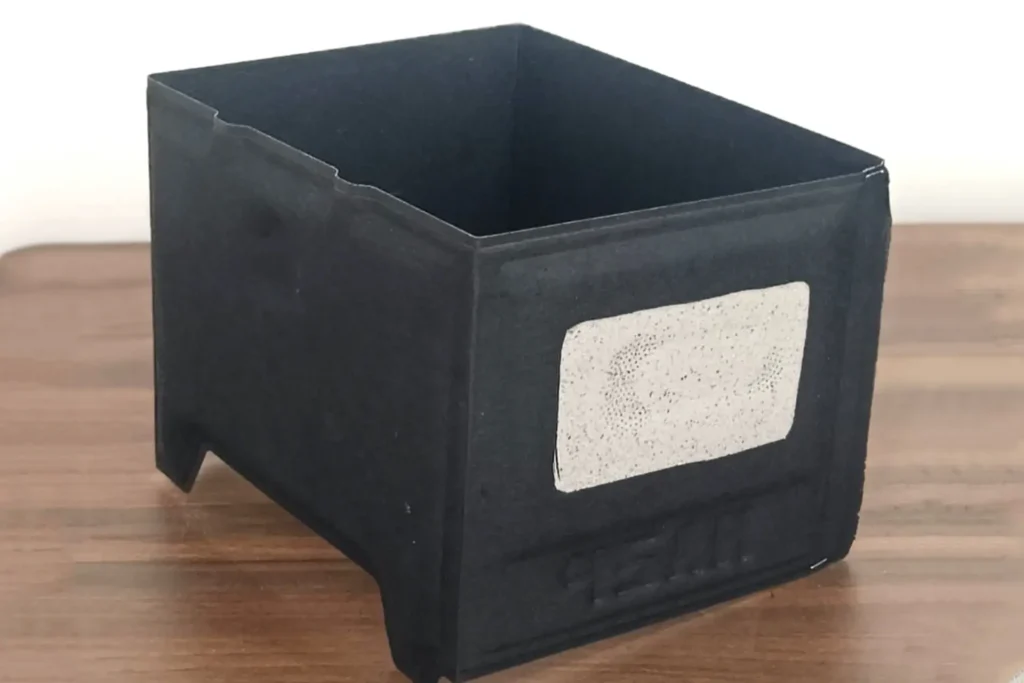
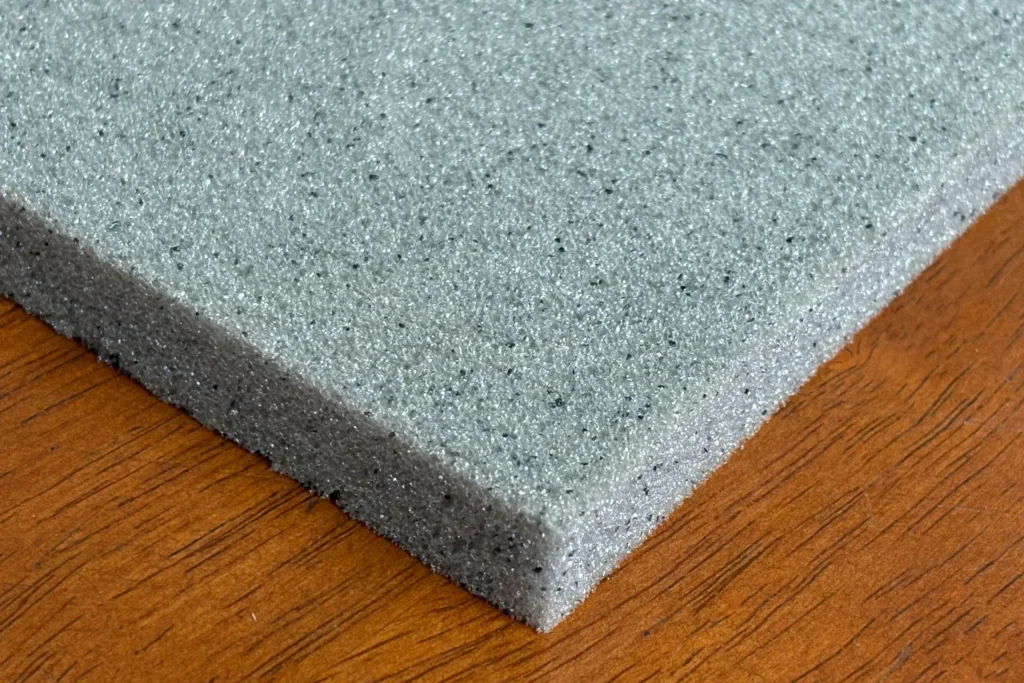
Light Weight NVH Foam is a specially engineered polyurethane-based acoustic foam developed to control noise and minimize vibration transmission. Its unique microcellular structure traps sound waves and dissipates vibrational energy effectively. These foams are extremely flexible, easy to mold, and compatible with various shapes and components, making them suitable for door trims, headliners, dashboards, engine covers, HVAC systems, machinery panels, appliances, and more.
Unlike conventional sound-deadening materials, lightweight NVH foam provides equal or better performance while maintaining minimal mass — making it ideal for weight-sensitive industries like automotive and aerospace.
Benefits of Light Weight Foam for NVH
- Superior Sound Absorption
Effectively reduces engine noise, road noise, and mechanical vibrations. - Ultra-Lightweight Design
Enhances performance without adding significant mass to the vehicle or product. - Improved Passenger Comfort
Creates quieter, smoother, and more pleasant user experiences. - High Thermal Resistance
Performs efficiently under varying temperature conditions. - Customizable Formulations
Available in multiple densities, thicknesses, and acoustic grades. - Cost-Efficient Engineering Material
Offers long-lasting durability with minimal maintenance requirements.
Applications of NVH Lightweight Foam
Automotive Industry
- Door trims
- Roof headliners
- Dashboard panels
- Engine bay insulation
- Wheel arch liners
- Trunk insulation
- Pillar trims
Industrial Machinery
- Acoustic enclosures
- Vibration-damping panels
- Equipment insulation
Consumer Appliances
- Washing machines
- Refrigerators
- HVAC units
- Air purifiers
Electronics
- Device housing insulation
- Cooling system noise reduction
Light Weight NVH Foam helps manufacturers across all industries achieve low noise, high comfort, and optimal energy efficiency.
Why Choose Lightweight PU Foam for NVH?
As industries move toward sustainability, energy efficiency, and enhanced user comfort, Light Weight PU Foam is becoming an essential engineering material. It offers outstanding acoustic and vibration damping while supporting modern lightweight design goals. This combination makes NVH foam ideal for companies looking to balance performance with environmental and manufacturing efficiency.
Frequently Asked Questions
Lightweight foam for NVH (Noise, Vibration, and Harshness) reduces unwanted sound and vibrations in vehicles/machinery using low-density, high-damping materials like polyurethane (PU) or EVA foam. It improves passenger comfort and meets stringent automotive/aerospace weight-saving goals.
- Polyurethane (PU) Foam: Flexible, with excellent sound absorption.
- Melamine Foam: Fire resistant and heat-tolerant for engine bays.
- EPDM Rubber Foam: Durable for sealing and vibration damping.
- Acrylic Foam Tapes: Adhesive solutions for panel bonding.
- Automotive: Dashboards, door panels, engine covers.
- Aerospace: Cabin insulation, cargo liners.
- Industrial: Machinery housings, HVAC systems.
- Consumer Electronics: Appliance noise reduction.
- Airborne Noise: Open-cell structures absorb sound waves (e.g., cabin noise).
- Structure-Borne Vibrations: Viscoelastic properties dampen vibrations (e.g., engine mounts).
Yes. Silicone-based foams handle -50°C to 140°C, while closed-cell PU foams resist oils, fuels, and solvents.
- Weight: Foam is 30–50% lighter than rubber.
- Design Flexibility: Easily molded into complex shapes.
- Cost: Lower material and assembly costs for high-volume production.
- Recycled Content: Post-industrial PU/EVA foam for non-critical parts.
- Biodegradable Options: Plant-based foams under development.
- REACH/ROHS Compliance: Safe for EU markets.
- Adhesive Backing: Pre-applied tapes for panels.
- Mechanical Fasteners: Clips or bolts for heavy-duty parts.
- Spray Applications: Liquid foam for seamless cavity filling.
Yes. Die-cutting, overmolding, and multi-layer laminates create custom seals, isolators, or acoustic barriers tailored to OEM specifications.
- Weight Reduction: Extends battery range.
- Quiet Cabins: Compensates for lack of engine noise.
- Thermal Management: Insulates battery packs.